

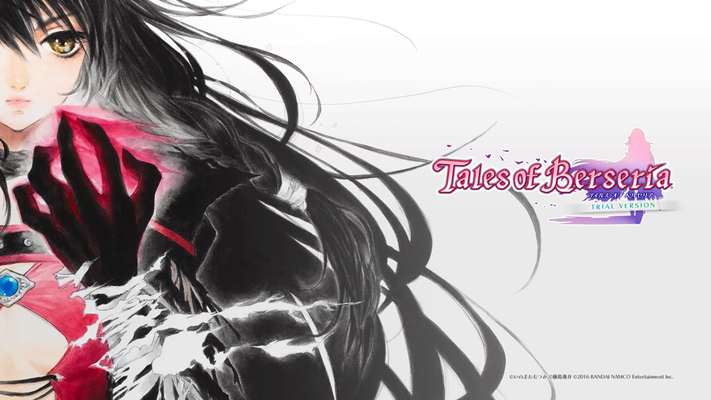
Tales of Berseria Remastered debuted on February 26 on Nintendo Switch, PlayStation 5, and Xbox Series X|S, with a Steam release scheduled a day later, as Bandai Namco Entertainment Korea confirmed the staggered rollout as part of a broader strategy to extend the life of its role-playing catalog across current-generation hardware.
Originally released in 2016, the game follows Velvet Crowe as she seeks revenge in the kingdom of Midgand, a dark realm where a supernatural affliction turns people into monsters. The remaster isn’t just a trip down memory lane; it reflects a broader change in how publishers view classic RPGs.
They’re moving away from seeing these games as one-time releases and starting to view them as ongoing revenue opportunities. Industry experts point out that this approach helps reduce development risks and appeals to new console owners who might have missed the original release.
“Remasters today serve as bridge products,” explains Serkan Toto, the founder of Kantan Games. “They keep franchises vibrant between major releases while gauging interest across different platforms.” From this perspective, the Tales of Berseria Remastered fits perfectly into Bandai Namco’s global portfolio strategy.
Platform Expansion as Risk Management
Tales of Berseria Remastered releases simultaneously on Nintendo Switch, PlayStation 5, and Xbox Series X|S, followed by Steam, which marks a shift from its original launch. Publishers now focus on reaching a broader audience rather than sticking to exclusivity.
By synchronizing the launch, Bandai Namco Entertainment Korea reduces its reliance on a single platform. While console sales growth has slowed globally, digital storefronts continue to thrive. Releasing Tales of Berseria Remastered on Steam allows the company to connect with a PC audience that increasingly overlaps with console gamers.
The Nintendo Switch attracts JRPG fans worldwide, and the PlayStation 5 excels with narrative-driven titles. Although Xbox Series X|S has historically struggled with Japanese RPGs, its growing Game Pass audience makes it important to have the game available on that platform.
In this way, the remaster serves as both a product and a strategic market move.
Added Features, Signal Player Retention Focus
Tales of Berseria Remastered keeps the original story and combat systems intact but adds some user-friendly features. It now includes a destination icon display and an encounter-off function, which really enhance the overall experience.
New players expect smooth navigation, and by introducing these conveniences, Bandai Namco Entertainment Korea helps new players feel more comfortable as they explore the game on Nintendo Switch and PlayStation 5.
The Grade Shop, which players usually unlock after completing the game, now opens from the start. This change affects pacing and lets players customize their experience early on. It particularly appeals to streaming audiences on Steam and speedrunners on Xbox Series X|S.
Additionally, the remaster includes over 70 downloadable content items previously sold separately. This inclusion marks a shift in Bandai Namco Entertainment Korea’s approach to monetization. Rather than relying on microtransactions, they present Tales of Berseria Remastered as a premium, value-packed product.
For investors, this strategy builds goodwill and helps maintain long-term brand equity.
Franchise Economics in a Crowded RPG Market
The Tales series stands out in a competitive RPG landscape dominated by Square Enix and Atlus. Bandai Namco has effectively developed a solid mid-tier franchise strategy.
By relaunching Tales of Berseria Remastered on the Nintendo Switch, PlayStation 5, and Xbox Series X|S, the publisher boosts the franchise’s visibility ahead of future releases. The Steam version also taps into global PC markets, especially in North America and Europe.
This strategy matters because the development budgets for AAA RPGs are rising. Remasters like Tales of Berseria Remastered create lower-risk revenue streams, allowing the company to support new intellectual properties.
Moreover, South Korea plays a crucial role in distribution and marketing for Japanese publishers. Bandai Namco Entertainment Korea localizes content and engages regional fan bases through promotional events, including social media campaigns that offer voice actor autographs.
These community-building efforts enhance long-term sales on Nintendo Switch and PlayStation 5 while increasing digital engagement on Steam and Xbox Series X|S.
The Broader Signal for Publishers
The release of Tales of Berseria Remastered highlights how legacy titles have become strategic assets in the gaming industry. Publishers now view these games not just as one-time successes but as modular properties that adapt to each new hardware cycle.
Cross-platform launches on Nintendo Switch, PlayStation 5, Xbox Series X|S, and Steam emphasize the industry’s shift towards distribution breadth over exclusivity deals. Meanwhile, bundling downloadable content (DLC) reflects growing consumer fatigue with piecemeal monetization strategies.
For founders and operators in gaming, the message is clear: create intellectual property that can thrive through hardware transitions. Investors also see remasters as a way to achieve predictable returns in a market that often feels unstable.
As console cycles get longer and digital storefronts take center stage, Bandai Namco Entertainment Korea bets that familiar stories, when optimized for new systems, will outperform riskier, untested projects. Thus, Tales of Berseria Remastered serves not just as a nostalgic nod to the past but as a strategic move in a complex global platform game.
Get the hottest news on upcoming game releases, patch updates, and gaming industry trends, stay updated with KoreaGameDesk on Twitter, Facebook, Instagram and Linkedin
More from us:
- Assassin’s Creed Mirage: A Nod to the Past, Embracing the Future
- Unleash your inner hero with Alterium Shift on Steam’s early access
- Shadowlands Release Date: Everything We Know So Far
- Ubisoft delays Avatar: Frontiers of Pandora, cancels four other games
- Rocket League Sideswipe: Release date, APK download, system requirements