

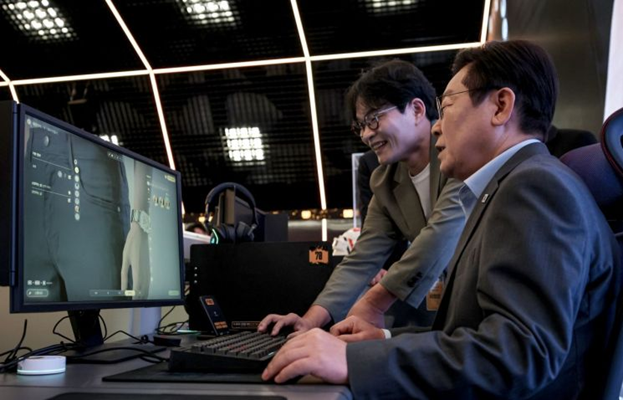
The South Korean gaming industry witnessed unprecedented government backing this week as President Lee Jae Myung made history by visiting PUBG Seongsu, marking the first presidential on-site engagement with gaming policy reform.
Furthermore, Lee’s declaration that gaming represents a vital cultural industry pillar signals Seoul’s dramatic shift from viewing games as addiction triggers to recognizing them as legitimate export drivers.
President Lee Jae Myung was visiting PUBG Seongsu on Wednesday to experience Krafton’s AI-driven life simulation game inZOI at the company’s game and cultural hub in eastern Seoul. But his message was anything but virtual; he declared that South Korea must embrace gaming as a defining force for its artistic and economic future.
“For a nation like South Korea, which depends heavily on exports despite limited natural resources, gaming stands out as one of the most genuine export opportunities,” Lee told representatives of the South Korean gaming industry in Seoul, emphasizing that games are “not an addictive substance.”
Breaking Decades of Gaming Stigma
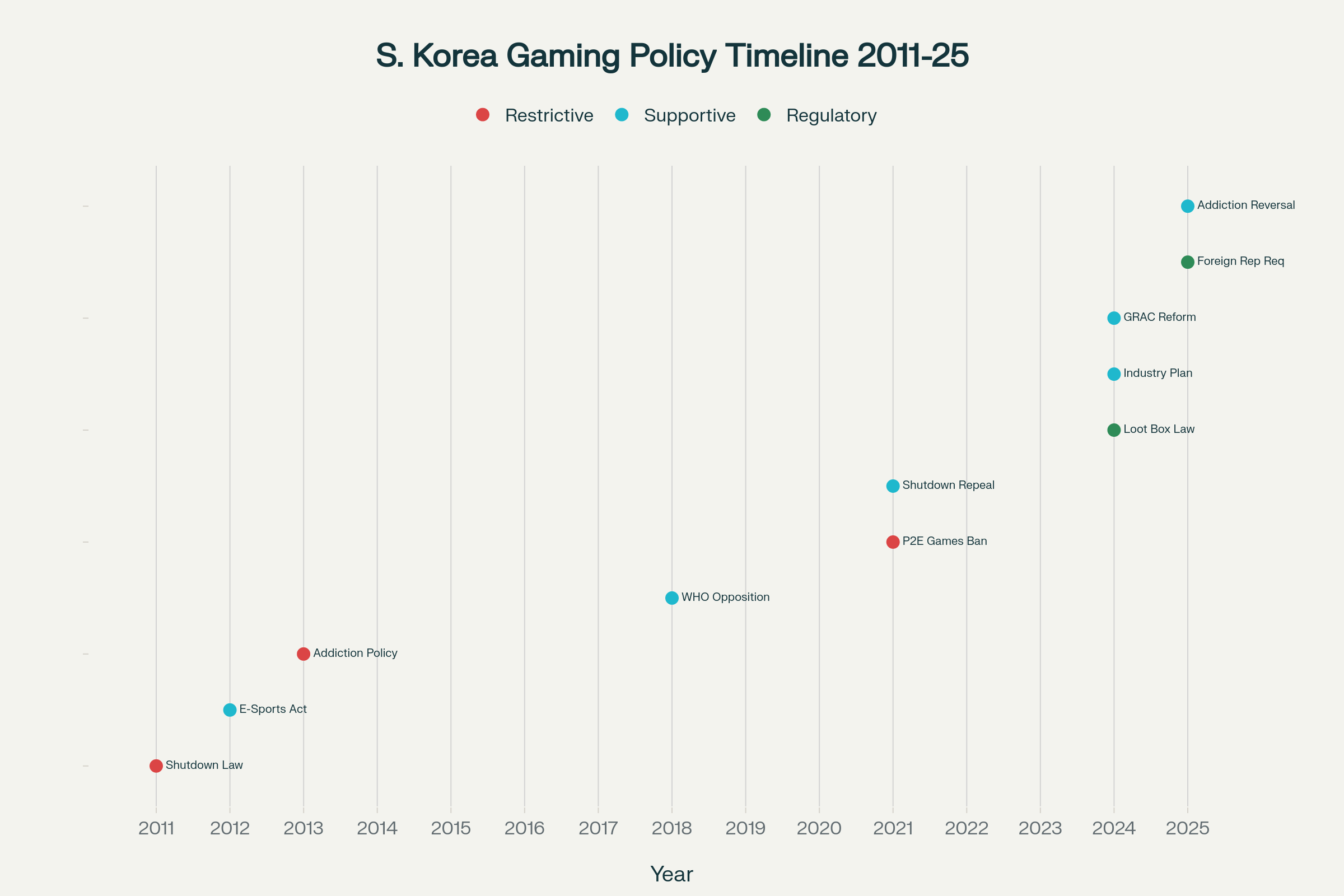
South Korea has undergone a remarkable transformation in its approach to gaming policy over the past decade, shifting from restrictive regulatory frameworks designed to combat perceived gaming addiction to comprehensive industry promotion strategies aimed at establishing the nation as a global gaming super house.
This evolution represents one of the most significant policy reversals in the digital economy sector, reflecting changing governmental perspectives on the gaming industry’s economic potential and cultural significance.
However, Wednesday’s roundtable at Krafton’s Seongsu complex represents something entirely different. President Lee directly confronted Korea’s notorious “four major addictions” policy, which previously lumped gaming alongside drugs, gambling, and alcohol.
“It’s time to change our policy direction,” Lee said, addressing industry titans including Nexon’s Kim Jeong-wook, Krafton’s Kim Chang-han, and Netmarble’s Bang Jun-hyuk. Moreover, his presence at this gathering sends unmistakable signals about Seoul’s new priorities.
The Restrictive Era (2011-2020)
South Korea’s gaming policy landscape was initially shaped by concerns over youth gaming addiction and social problems associated with excessive gaming. The most prominent restrictive measure was the Youth Protection Revision Act, commonly known as the “Shutdown Law” or “Cinderella Law,” implemented in November 2011.
This legislation prohibited children under sixteen from accessing online games between midnight and 6 AM, representing one of the world’s most stringent gaming time restrictions.
The policy framework during this period was characterized by what President Lee Jae-myung later criticized as the “four major addictions” policy, which classified gaming alongside gambling, drugs, and alcohol.
This classification reflected a governmental perspective that viewed gaming primarily through a public health lens rather than recognizing its economic and cultural potential. The Ministry of Gender Equality and Family (MGEF) led many of these restrictive initiatives, advocating for youth protection through gaming regulation.
The effectiveness of these restrictive policies proved limited. According to government data, the proportion of minors under 16 playing games after midnight decreased from 3.4 percent in 2011 to 0.9 percent in 2013.
However, critics argued that enforcement was problematic and led to identity theft, as minors used false registration numbers to circumvent restrictions. The shutdown law faced continuous constitutional challenges and industry opposition throughout its implementation period.
The Transition Period (2018-2021)
A significant shift began around 2018 when the Ministry of Culture, Sports and Tourism started opposing international efforts to classify gaming as a mental disorder.
The ministry formally objected to the World Health Organization’s inclusion of “gaming disorder” in its International Classification of Diseases (ICD-11), arguing that the decision lacked scientific verification. This marked the beginning of a more industry-friendly governmental stance.
The transition accelerated with the abolishment of the Shutdown Law in August 2021. This decision reflected changing societal attitudes and governmental recognition that restrictive approaches were ineffective and potentially harmful to industry development.
The abolishment represented a fundamental shift toward “respecting the rights of youth and encouraging healthy home education” rather than relying on blanket prohibitions.
One of the most significant ongoing reforms involves the modernization of the Game Rating and Administration Committee (GRAC), South Korea’s primary game content rating body.
Following widespread criticism and corruption scandals in 2022, GRAC has undergone a substantial transformation from a pre-screening censorship body to a modern agency focused on post-release oversight and player protection.
Economic Realities Drive Policy Transformation
The South Korean gaming industry generates over $15 billion annually, yet government policies have historically hindered its growth. Meanwhile, China’s gaming sector has rapidly expanded, creating competitive pressure that Korean policymakers can no longer ignore.
President Lee Jae Myung specifically addressed this challenge, stating that Korea’s cultural industry must lead global markets. Additionally, he emphasized gaming’s role in creating youth employment, a critical concern given Korea’s rising unemployment rates among young adults.
The timing proves significant. As traditional manufacturing faces increasing competition, Korea desperately needs new export drivers. Consequently, Lee’s administration recognizes gaming’s potential to fill this economic void.
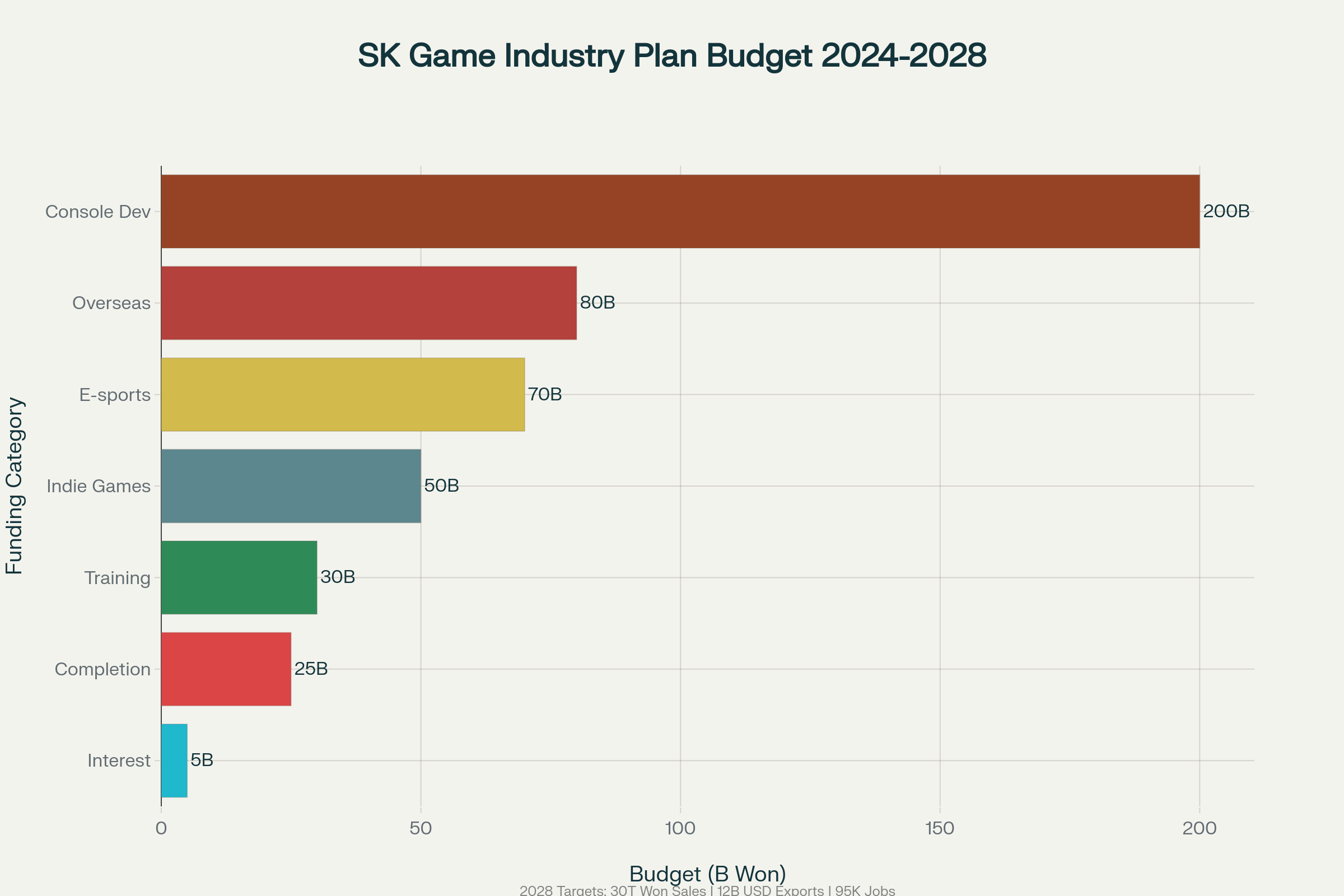
During Tuesday’s discussion, gaming policy reform emerged as the central theme. Industry executives presented specific requests, including labor flexibility improvements and resolution of publication number (panho) restrictions that limit game releases.
Notably, the CEOs emphasized how current regulations stifle innovation. Furthermore, they argued that treating gaming as a potential addiction source creates unnecessary barriers to industry growth. NCSoft’s Kim Taek-jin highlighted international expansion challenges, while Smilegate’s Seong Jun-ho discussed mobile gaming opportunities. Similarly, Neowiz’s Bae Tae-geun addressed indie developer support needs.
Global Implications and Market Response
This policy shift carries international ramifications. Korean gaming companies like Krafton (PUBG), NCSoft (Lineage), and Nexon (MapleStory) compete globally against American, Chinese, and Japanese rivals. Therefore, government support could significantly enhance their competitive positioning.
Cultural industry observers note that Korea’s entertainment exports, including K-pop and K-dramas, already dominate global markets. Consequently, adding gaming to this “Korean Wave” could create unprecedented cultural influence worldwide.
The South Korean gaming industry employs over 300,000 people directly, with indirect employment reaching nearly one million. Thus, President Lee Jae Myung’s support addresses both economic and social policy objectives simultaneously.
Upcoming Challenges and Opportunities
Despite presidential backing, significant obstacles remain. New regulations taking effect on October 23 require overseas developers meeting specific criteria to appoint domestic representatives. However, industry leaders view this as manageable compared to previous restrictions.
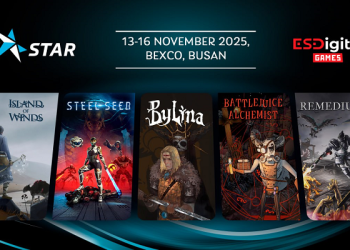
The approaching G-Star 2025 exhibition (November 13-16) will serve as the first major industry event under this new policy framework. Although major companies like Nexon and Pearl Abyss won’t participate, NCSoft plans significant showcases featuring upcoming titles.
Gaming policy reform advocates argue this represents just the beginning. Furthermore, they expect additional regulatory changes supporting export drivers in Korea’s creative economy.
Historical Context and Future Outlook
Korea’s relationship with gaming has been complicated. The country pioneered esports culture and produced global gaming phenomena. Yet, it maintained restrictive policies that treated games as sources of gaming addiction rather than legitimate entertainment.
This contradiction finally resolved the issue for Lee’s administration. The cultural industry designation provides gaming companies with tax benefits, regulatory support, and international marketing assistance previously reserved for traditional cultural exports.
President Lee Jae Myung concluded Wednesday’s meeting by promising continued government support for industry growth. Additionally, he committed to removing regulatory barriers that historically hindered Korean gaming companies’ global expansion.
The South Korean gaming industry now enjoys unprecedented government backing, positioning it for significant global expansion in the coming years.
Get the hottest news on upcoming game releases, patch updates, and gaming industry trends, stay updated with KoreaGameDesk on Twitter, Facebook, Instagram and Linkedin
More from us:
- Amazon will publish the next series of the Tomb Raider Game
- DokeV: Pearl Abyss Pays Tribute to Pokemon Go
- Korean game developer Pepperstones’ first rogue-like action game ‘WeTory’ by year-end
- The Aion Classic team is gearing up for its European Launch
- All About League of Legends New Champion, K’Sante: Teaser, Gameplay, and Release Date