

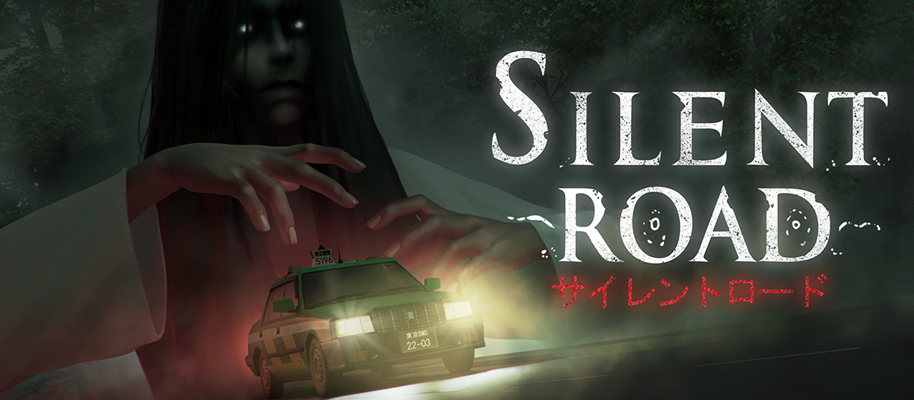
Silent Road, developed by Spanish Indie studio Endflame, which was announced recently blends psychological horror and Japanese horror, following a night-shift taxi driver through a forest steeped in suicide folklore. The horror game set in a haunted Japanese forest, will put players behind the wheel of a night-shift taxi driver as they navigate unsettling passengers in one chilling package.
Endflame, best known for its Japanese folklore horror title Ikai, announced Silent Road for PC with a planned 2026 release, positioning the game as a first-person, narrative-driven experience built for fans of slow-burn terror.
The studio, based in Spain, is obsessed with Japanese horror, and uses a fictional region modelled after legends surrounding Aokigahara, the “suicide forest,” to anchor the game’s mood and marketing.
At its core, Silent Road asks players to work a routine night shift that never feels routine, as each drive through fog-soaked mountain passes and deserted village streets deepens the sense that something is fundamentally wrong. Yet, instead of relying on constant jump scares, the game leans on tension inside the car, where the rearview mirror, the back seat, and the empty road ahead all become sources of dread.
Silent Road is our way of embracing Japanese horror and pouring our hearts into crafting a frightening experience that also carries something deeper beneath the surface. Sharing this return to horror with the world is both exciting and terrifying”, said Endflame co-founder Guillem Travila.
Taxi horror as a fresh twist on Japanese horror
Silent Road’s primary innovation lies in its taxi-based gameplay, which turns a familiar job into a claustrophobic stage for psychological horror. Players pick up passengers who grow stranger with each encounter, trading cryptic dialogue and fragmented stories that slowly reveal both personal tragedies and the forest’s curse.
Moreover, the game forces players to leave the perceived safety of the vehicle to fulfil passenger requests, pushing them into dark roadside areas and lonely village corners that escalate risk and narrative tension. This loop, drive, pick up, talk, step out, and return to the car, creates a rhythm that lets Silent Road stand apart from more traditional corridor or mansion-based horror designs.
“We’ve always loved Japanese horror – the quiet tension, the atmosphere, the way it stays with you long after it ends. Silent Road grew from that love. Our indie journey began with the J-Horror title Ikai, and over time, we’ve found ourselves drawn back to the unique thrill of horror,” said Endflame co-founder Laura Ripoll.
An indie studio doubling down on Japanese horror
Endflame leverages its experience from Ikai, which immersed players in yokai legends and feudal Japanese settings, to build a more modern but spiritually connected horror world in Silent Road. The team has stated that it approaches Japanese themes with deliberate respect, drawing on authentic folklore and imagery without turning cultural references into shallow props.
However, Silent Road also reflects a clear strategic choice as the studio recognizes that Japanese horror and suicide folklore resonate strongly with global audiences familiar with Silent Hill, Fatal Frame, and other J-horror touchstones. By positioning an indie game within that lineage while bringing a fresh angle to taxi driving, Endflame aims to appeal to both niche horror fans and a broader audience seeking something new in psychological horror.
Visually, Silent Road embraces cyan-green tones, thick fog, and grainy lighting to echo classic Japanese horror games and films without copying them outright. The narrow mountain roads, dense tree lines, and isolated buildings form a continuous visual metaphor for emotional and physical entrapment, reinforcing the game’s focus on psychological horror and suicide folklore.
In addition, the taxi’s interior becomes a key storytelling device: the dashboard lights, the rearview mirror, and the shifting silhouettes in the back seat all help replace traditional monsters with subtler, more ambiguous threats. As a result, Silent Road uses its art direction not only to scare, but also to signal its place within the broader tradition of Japanese horror, which often favors atmosphere over explicit violence.
Storytelling through short rides and long shadows
Narratively, Silent Road structures its horror around short, self-contained rides that feed into a larger mystery about the forest and its history. Each passenger functions as both a character and a narrative fragment, contributing details about disappearances, suicides, and local legends that players must piece together. At the same time, their own sanity and safety feel increasingly fragile.
Furthermore, Endflame uses environmental storytelling, like abandoned roadside shrines, discarded belongings, and subtle changes in the forest, to complement passenger dialogue rather than repeat it. This layered approach allows the game to explore themes like loneliness, guilt, and survival without turning Silent Road into a purely exposition-heavy experience.
Silent Road is entering a crowded horror market where indie titles increasingly compete with big-budget franchises by leaning into specific cultural settings and experimental mechanics. The game’s blend of Japanese horror, psychological storytelling, and indie game sensibilities arrives at a time when players regularly discover smaller projects through streams, short-form clips, and algorithm-driven recommendations.
Consequently, Silent Road’s tight elevator pitch, a night-shift taxi driver trapped in a forest steeped in suicide folklore and Japanese horror, gives it clear visibility in social feeds and storefronts. If Endflame delivers on pacing, narrative payoff, and mechanical polish, the title could travel well beyond the horror niche, particularly among players who previously tried Ikai or follow Japanese-inspired indie game projects.
Why Silent Road matters beyond jump scares
As Silent Road approaches release, the project raises broader questions about how indie developers handle sensitive themes such as suicide, grief, and folklore in interactive media. Endflame’s previous emphasis on cultural respect and careful research will likely face renewed scrutiny as global audiences examine how the game portrays a region modeled after Aokigahara and its associated myths.
Still, by framing the player as a working taxi driver rather than a conventional hero, Silent Road seems poised to explore how ordinary people encounter extraordinary horror, and how psychological horror and Japanese horror can intersect without losing sight of human stories.
If the final game balances scares with empathy, Silent Road could mark a new benchmark for how an indie game uses folklore and atmosphere to engage, unsettle, and move players worldwide.
Get the hottest news on upcoming game releases, patch updates, and gaming industry trends, stay updated with KoreaGameDesk on Twitter, Facebook, Instagram and Linkedin
More from us:
- Gamescom 2023, 14 Dynamic Korean Game Developers to Take Center Stage
- Darksword: Battle Eternity VR RPG Showcased at Gamescom
- Riot Games blackmailed over hacked League of Legends source code
- Bleszinski urge Nexon to bring Lawbreakers back to life
- All About League of Legends New Champion, K’Sante: Teaser, Gameplay, and Release Date